

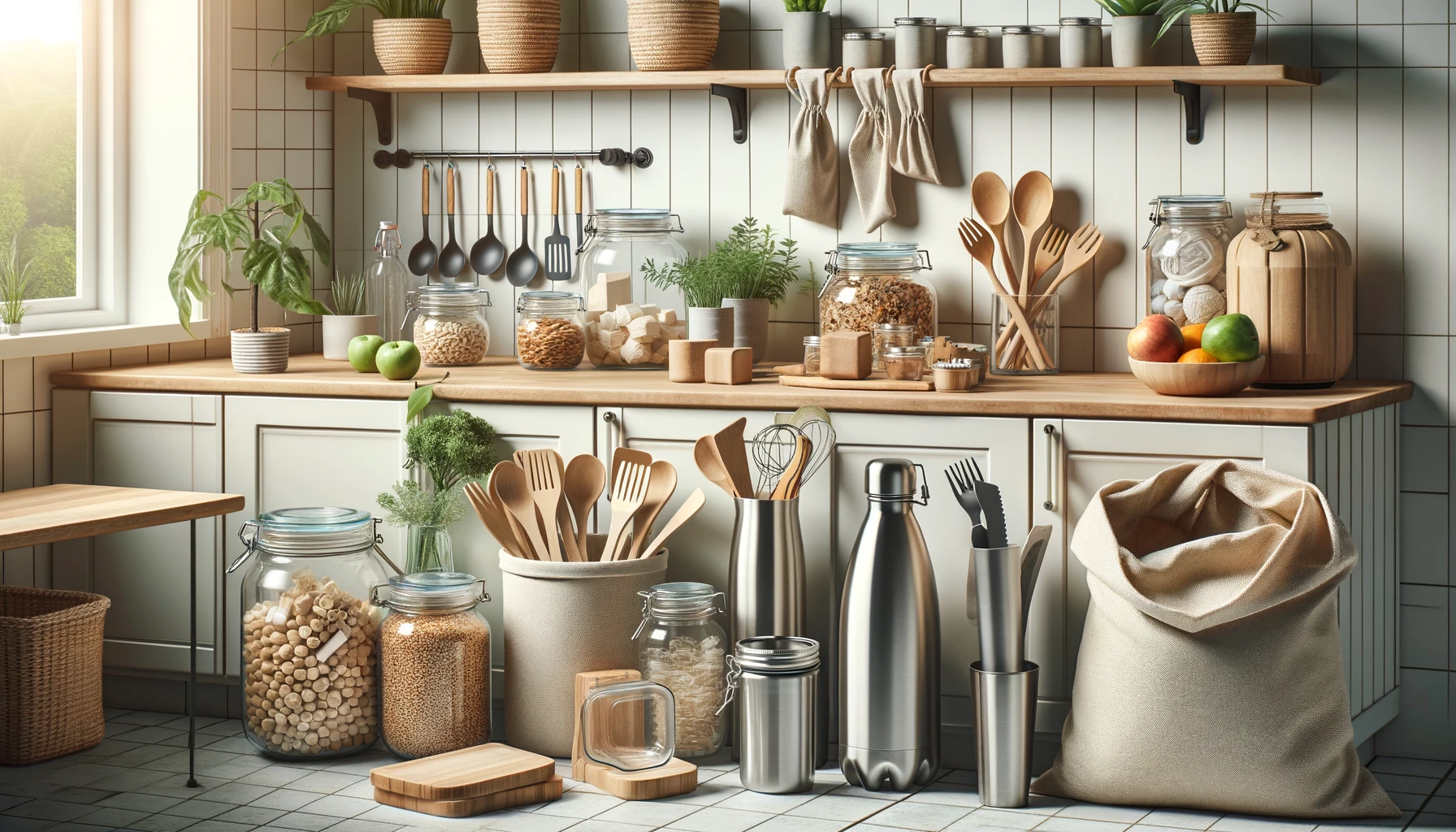
Embarking on a zero-waste lifestyle is like becoming a superhero for the planet—minus the cape and the spandex (unless that’s your thing, of course). It’s all about slashing the amount of trash you send to landfills and reducing your environmental footprint. Let’s break it down into bite-sized, compostable pieces:
Introduction to Zero-Waste Lifestyle
Zero-waste living focuses on minimizing waste to reduce pollution, conserve resources, and mitigate climate change. It revolves around five simple principles: Refuse, Reduce, Reuse, Recycle, and Rot. This means saying no to unnecessary stuff, reducing what you need, reusing as much as you can, recycling what you can’t reuse, and composting the rest.
Pros of Zero-Waste Lifestyle
- Environmental Impact: You’ll significantly reduce your carbon footprint by sending less trash to landfills and decreasing pollution.
- Saves Money: In the long run, adopting habits like buying in bulk and using reusable items can save a pretty penny.
- Healthier Lifestyle: Zero-waste often means less processed food and more fresh, organic produce, which is a win for your health.
- Community Impact: Your choices can inspire others and create a ripple effect, leading to broader environmental benefits.
Cons of Zero-Waste Lifestyle
- Convenience: Let’s be real, initially, it’s not as convenient as the throw-away culture we’re used to. It takes planning and effort.
- Accessibility: Depending on where you live, access to bulk stores, farmers’ markets, or composting facilities might be limited.
- Upfront Costs: Investing in reusable items like containers, bags, and utensils can be pricey at the outset.
- Social Challenges: Explaining your lifestyle to friends and family who might not get it (yet) can be a tad awkward.
Directions to Start a Zero-Waste Lifestyle
- Audit Your Trash: Spend a week analyzing what you throw away. It’s eye-opening and will guide you on where to start.
- Refuse What You Don’t Need: Say no to freebies, single-use plastics, and anything you won’t use.
- Reduce Your Consumption: Buy only what you need. Opt for quality over quantity.
- Embrace Reusables: Invest in reusable bags, bottles, cups, and containers. They’re your new best friends.
- Shop Smart: Buy in bulk, choose package-free items, or opt for packaging that can be easily recycled or composted.
- Start Composting: If you can, start composting at home. If not, look for local composting facilities.
- DIY When Possible: Homemade cleaners, beauty products, and snacks reduce waste and cut chemicals from your life.
- Learn to Repair: Instead of tossing things out, see if they can be fixed. It’s satisfying and eco-friendly.
Remember, it’s not about being perfect; it’s about making better choices one step at a time. Even small changes can have a big impact. Welcome to the zero-waste journey!
Zero Waste in Practice – An Example from Our Trip
For our winter hike to Turbacz we took our own food vacuum-sealed – exactly as much as we needed, with no unnecessary packaging or leftovers. Read more in Turbacz in Winter.
Zero Waste – FAQ
What are the principles of zero waste?
Five rules: refuse, reduce, reuse, recycle and compost (rot) – in that order.
Where do you start with zero waste?
With a waste audit: for a week, check what you throw away. It shows where it is easiest to cut waste – for example by refusing single-use plastic or buying loose products.
Does zero waste save money?
At first you need to invest in reusables (bags, bottles, containers), but in the long run buying less and in bulk saves money.
What are the downsides of zero waste?
It takes planning, it can be less convenient than throwaway culture, and access to bulk stores or composting facilities depends on where you live.